What Does OTT Really Mean?
What Does OTT(ott full form) Really Mean?
OTT (over-the-top) is a means of providing television and film content over the internet at the request and to suit the requirements of the individual consumer. The term itself stands for “over-the-top”, which implies that a content provider is going over the top of existing internet services.
The Shift from IPTV to OTT(ott full form)
Let’s start with how we got here. Since the mid-1990’s, digital television content delivery via Internet Protocol (IPTV) has been the common way for TV service providers to distribute content to customers. Reception typically requires a TV subscription, a contract, a set-top box, and a technician to connect the array of hardware to high-speed internet services in each customer’s home or office. Thus, content is distributed through private “multicast” mpeg transport stream networks (meaning multiple streams are pushed to multiple consumer locations, like digital cable and satellite TV). This locks consumers to one service provider (restricted to whichever is available in your area) and the content offered is limited to channels available in their particular area and region.
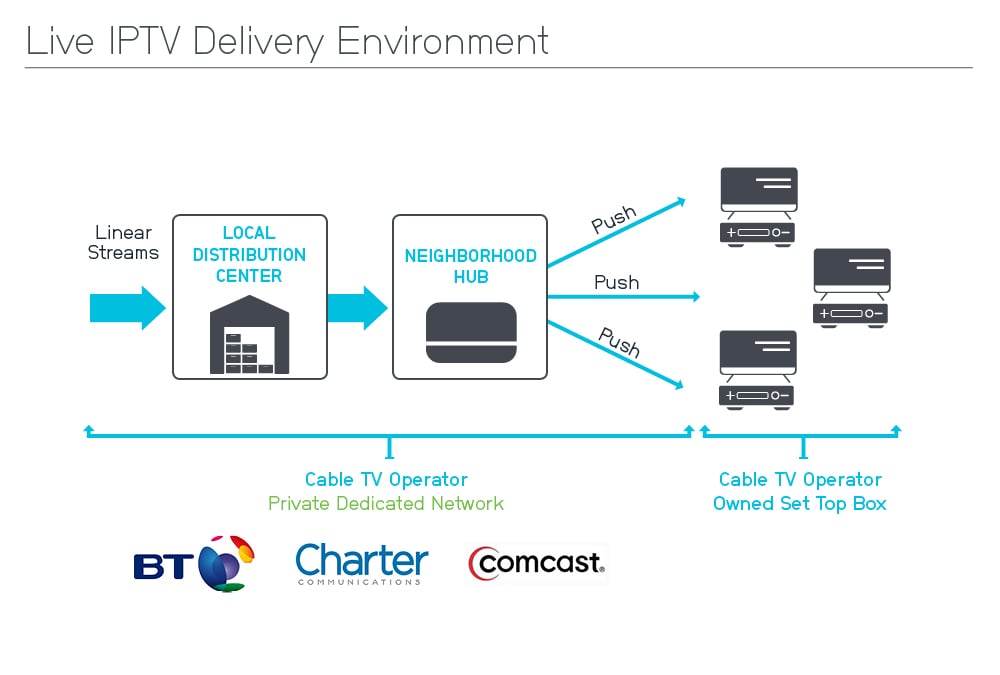
The OTT (ott full form) Advantage
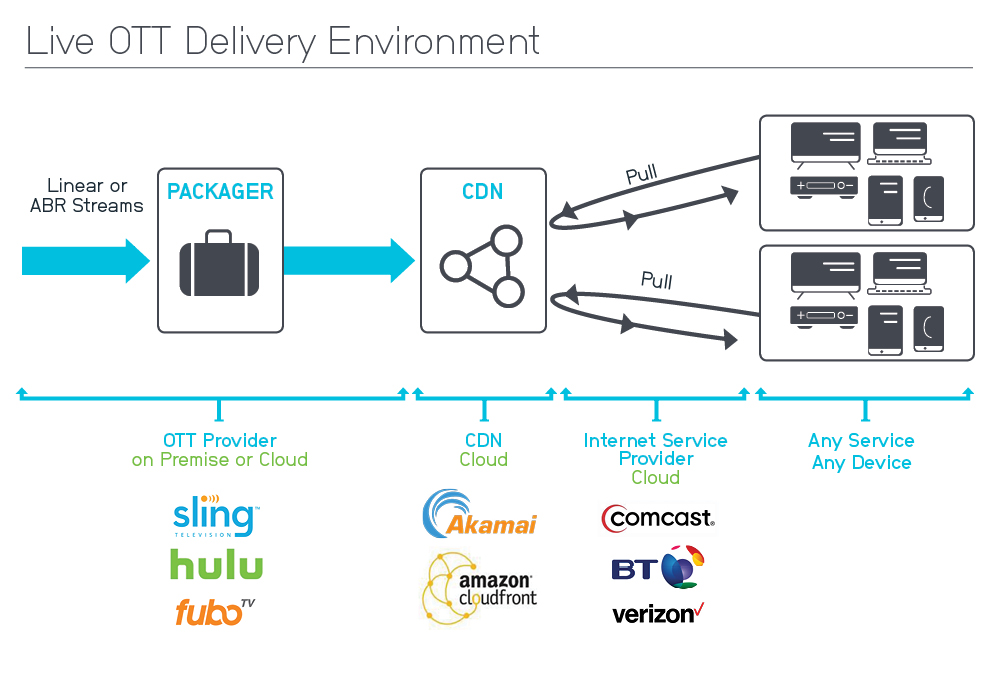
With OTT video delivery technology, people now have a multitude of options at their fingertips. They have the ability to view content on a variety of platforms such as: Smart TVs, Roku, computers, tablets, mobile phones, or gaming consoles. They also have the option to access multiple distributors for specialized programs and view channels by “app switching”, giving them more control over the content they choose to purchase and watch.
In fact, while they both use IP technology, IPTV is delivered over private cable network compared to OTT delivered over internet services. OTT systems overcome the limitations of the single operator set top box (STB) technology required by IPTV. With OTT, content is only delivered upon request. Each connected device has a unique connection to the source of the content via the internet, making it “unicast”- delivering one stream to one device.

Comments
Post a Comment